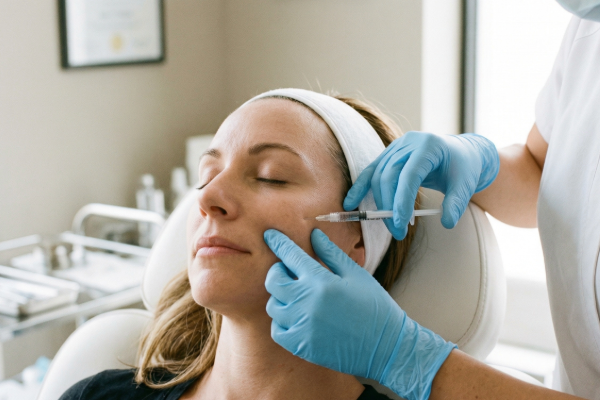
CPD: Managing Dermal Filler Complications
Miss Jenny Doyle and Dr Arshi Baig explore the prevention and management of dermal filler complications, with a focus on


Miss Jenny Doyle and Dr Arshi Baig explore the prevention and management of dermal filler complications, with a focus on
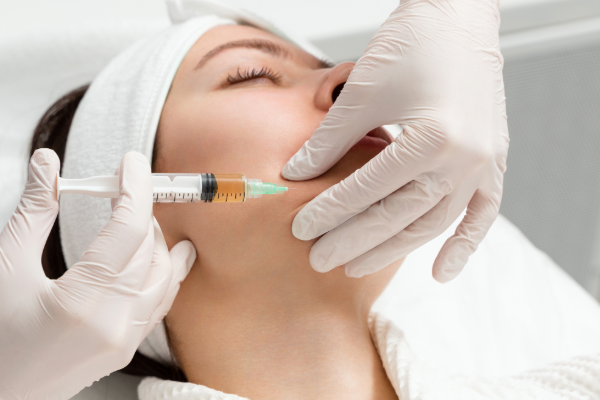
Dr Ben Taylor-Davies reviews the evolution, mechanisms and practical use of CaHA-based injectables in contemporary regenerative aesthetics Regenerative aesthetics has emerged as one of the defining trends within contemporary medical aesthetics. It reflects a broader shift away from simply replacing …
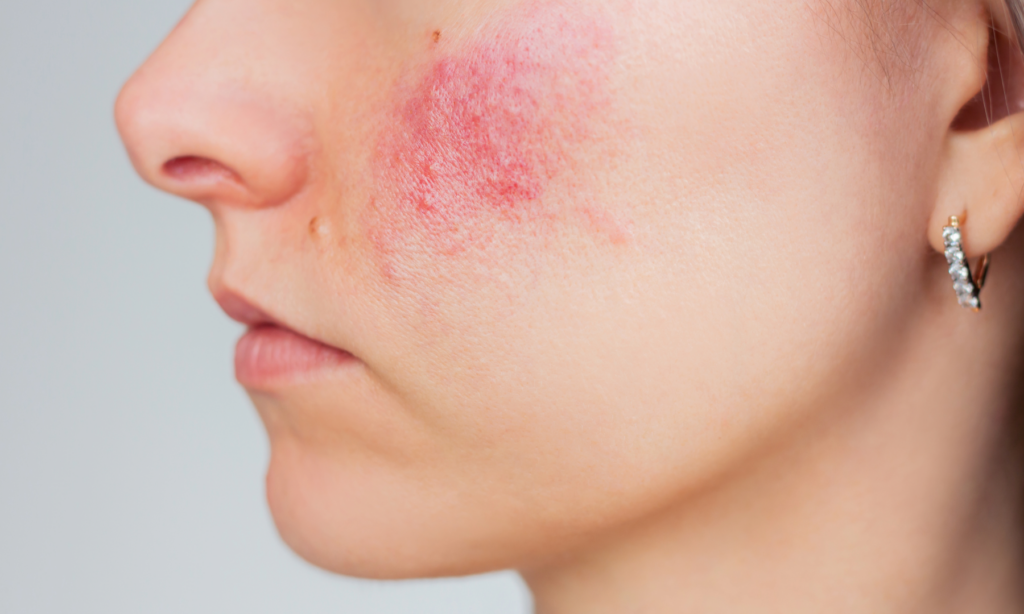
Dr Rehanna Beckhurst explores the dermatological and systemic causes of facial erythema Facial erythema is a common concern within aesthetic practice (with rosacea alone affecting an estimated 5.46% of the global adult population), an umbrella term for a spectrum of …

Miss Jenny Doyle, Dr Arshi Baig and Dr Aaminah Haq explore advanced strategies to stimulate collagen through treatments in medical aesthetics Collagen is the most abundant structural protein in the human body and a primary component of the dermal extracellular …

Dr Carol Mastropierro discusses botulinum toxin complications and strategies for managing common side effects Botulinum toxin (BoNT-A) injections are the most widely performed non-surgical aesthetic procedure in the UK, with an estimated 900,000 treatments carried out annually.¹ Their popularity is …

Skeletal muscle is a dynamic, metabolically active organ essential for maintaining health throughout the lifespan. Beyond providing strength and locomotion, muscle regulates glucose metabolism, supports immune signalling and contributes to endocrine communication through the secretion of myokines.1 A decline in …

Dr Ed Robinson discusses opportunities, limitations and the emerging role of ultrasound guidance in regional nerve blocks Demand for injectable and energy-based facial aesthetics continues to rise, alongside patient expectations for comfort, efficiency and safety. Effective analgesia is therefore central …
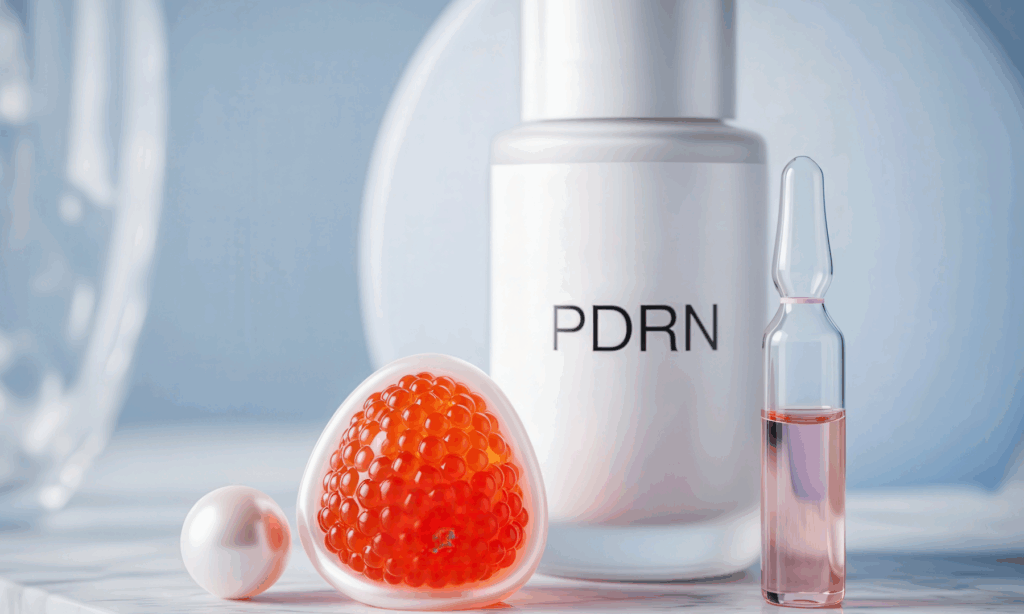
Miss Jenny Doyle, Dr Aaminah Haq and Dr Arshi Baig review the latest research in polynucleotide treatments in medical aesthetics Globally, non-invasive aesthetic procedures accounted for more than £52 billion of revenue in 2023 and are increasing, with an annual …
Dr Ben Taylor-Davies discusses the use of hyaluronidase in medical aesthetics and the main considerations for practitioners Hyaluronidase is a prescription-only medicine widely used in aesthetic medical practice for a variety of indications.1 Hyaluronidase is utilised by clinicians in the …

Aesthetic nurse prescriber Anna Baker discusses multi-modality approaches to addressing tissue changes with glucagon-like peptide-1 agonists and glucose-dependent insulinotropic polypeptide therapies Current literature suggests that medical aesthetic practitioners are noticing an increase in demand from patients seeking treatments to counteract …

Dr Edward Robinson discusses a combination approach to regenerative aesthetics using PRP and PRF in synergy with other aesthetic treatments Regenerative treatments have emerged as a leading focus of medical aesthetics in recent years.1-4 An increasing patient demand for long-lasting, …
Dr Jordan Faulkner and Dr Marcus Geyer discuss key anatomical considerations and injection techniques for safe and effective chin enhancement The chin plays a pivotal role in defining the lower third of the face and is essential for overall facial …
Miss Jenny Doyle, Miss Aaminah Haq and Dr Arshi Baig analyse current literature on rejuvenating the skin using botulinum toxin. The uptake of non-surgical methods, such as botulinum toxin type A (BoNT-A), dermal filler and laser to achieve facial rejuvenation, …

Dr Hazel Parkinson discusses the effects of menopause on acne and procedural options for menopausal patients Acne is often perceived as a concern primarily of adolescence, but it is increasingly recognised as a condition that affects adult women, particularly during …

Dr Alison Colville and Professor Valerie Edwards-Jones explore the role of antiseptic practices in medical aesthetics The skin and mucous membranes form the body’s protective barrier, and if this defence is breached by pathogens, they can reach subcutaneous tissue, muscle, …

Dr Emmaline Ashley explores the current understanding of cryolipolysis as a method of non-surgical fat reduction The growing demand for methods to remove or reshape localised fat deposits has led to the increasing popularity of body contouring procedures.1 While liposuction …

Dr Ethan Hausman-Marquis presents a comprehensive review of potential benefits and clinical applications of peptide therapy Peptides, defined as short chains of amino acids linked by peptide bonds, are essential signalling molecules integral to a vast array of physiological processes.1,2 …

Dr Bethany Rossington explores the evidence behind HA filler aftercare advice to mitigate risk of adverse events According to the latest annual figures, there were more than 500,000 procedures carried out in 2023, with a significant proportion of these being …

Dr Souphi Samizadeh reviews considerations for treating different ethnic groups with toxin. The global demand for facial aesthetic treatments, including botulinum toxin (BoNT-A) injections, continues to rise. This increase is evident across a broad spectrum of ethnic groups, each presenting …
Dr Rehanna Beckhurst explores multidimensional assessment in medical aesthetics, bridging anatomy, ageing, psychology and culture The field of advanced facial aesthetics presents a blend of medical expertise, artistic sensibility and patient-centred care. This article illustrates the process of assessment, risk …

Three practitioners review pain relief options in aesthetic procedures, ranging from simple topicals, to custom agents and nerve blockers Millions of people worldwide seek cosmetic treatments to enhance their appearance and boost their confidence. Concerns about pain or discomfort may …
Dr Nestor Demosthenous discusses the pharmacodynamics of botulinum toxin and the differences between the available preparations. In the 1980s, ophthalmologist Dr Jean Carruthers and dermatologist Dr Alastair Carruthers discovered that one of their patients treated with botulinum neurotoxin (BoNT) for …
Mr James Olding, Dr Kimiya Erfanmanesh, Dr Golasa Sheikh Akbari and Dr Zeanab Chaer introduce steps to help prevent a vascular occlusion Dermal filler treatments continue to grow in demand in the medical field, with a well-established role of replenishing …
Professor Mark Birch-Machin and Dr Jessica Moor introduce mitochondrial damage as a way to track skin ageing Skin ageing, including the phenotypes of wrinkle formation, uneven skin tone and loss of elasticity, results from the progressive loss of cellular function. …

Dr Rehanna Beckhurst outlines the manufacturing process and physico-chemical properties of dermal filler products Hyaluronic acid (HA) injectable fillers are the most widely used dermal fillers to treat facial volume deficits.1 Appreciating the physico-chemical properties of dermal fillers is crucial …

Dr Jordan Faulkner and Miss Jennifer Doyle outline considerations for treating the under-eye area Complaints regarding the periocular area, and in particular the under-eye, are commonplace in both surgical and non-surgical aesthetics consultations. Patients may describe either the changes in …
Dr Edward Robinson explores the literature around how the emerging treatment of polynucleotides can assist patients suffering with hair loss In the landscape of medical aesthetics, emerging treatments are constantly reshaping the field. Among these, polynucleotides have garnered considerable attention, …
Aesthetic nurse Lorna Bowes outlines the mechanisms of action, types and cosmetic applications of hydroxy acids Numerous studies have endorsed the incorporation of hydroxy acids, such as glycolic and mandelic acid, in formulations for antiageing skincare and cosmeceuticals.1-33 Despite the …

Dr Elle Reid and Dr Bryony Elder discuss the differing anatomy of the lips in a variety of ethnicities

Aesthetic nurse Emma Coleman provides an overview of four treatments for facial rejuvenation
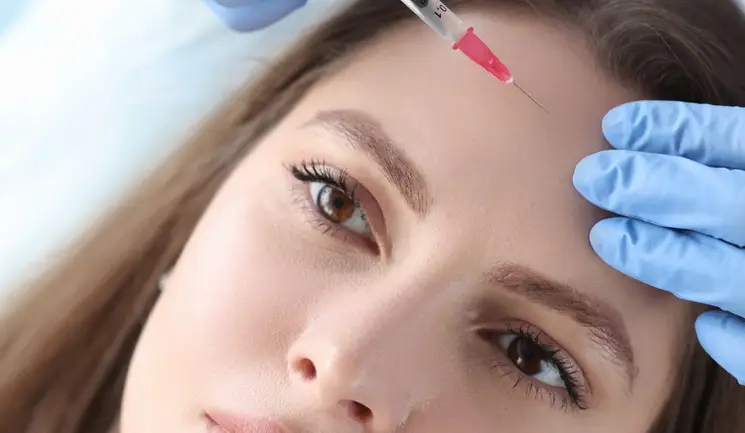
Dr Emmaline Ashley explores the current literature surrounding the use of botulinum toxin in depression
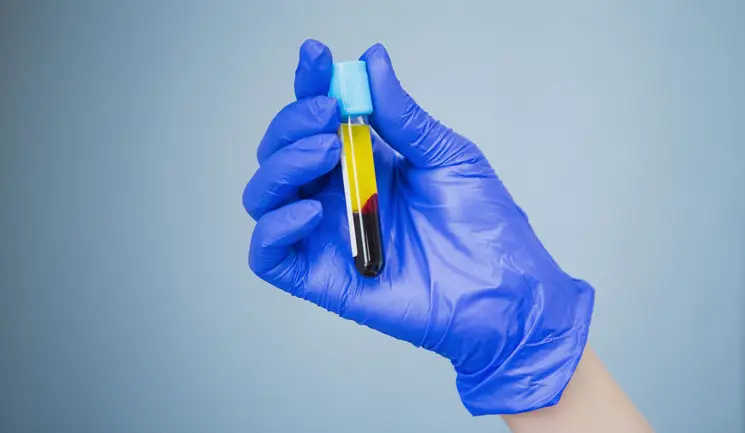
Dr Priya Shah explores the difficulty in determining the efficacy of platelet-rich plasma as a monotherapy for skin ageing

Miss Rachna Murthy and Professor Jonathan Roos explore the health and diseased states of eyelashes and provide considerations for aesthetic practitioners

Dr Souphiyeh Samizadeh explores the ageing of the neck and its treatment using botulinum toxin
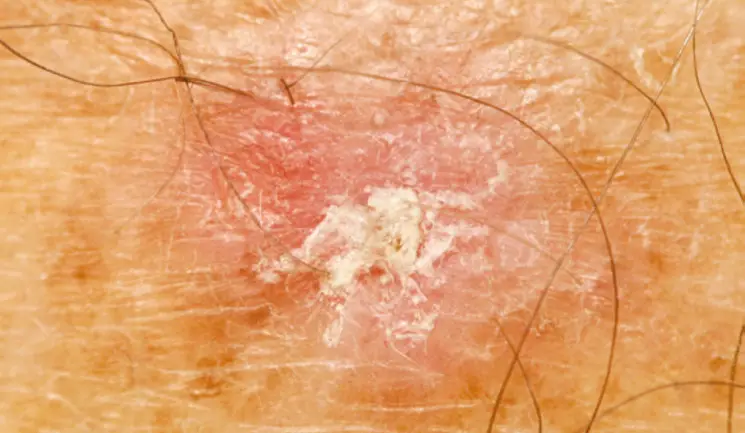
Dr Libin Mathew and Dr Sandeep Cliff explore the causes, diagnosis and treatment of squamous cell carcinoma

Dr Miguel Montero reviews the current literature and explores how laser technology works for fat reduction

Oral surgeon Mr Sami Stagnell and maxillofacial surgeon Ms Natasha Berridge present an overview of the common complications of botulinum toxin by anatomical region and how to avoid them

Dr Eleanor Reid, Miss Lara Watson and Miss Priyanka Chadha explore the gender differences in the lower facial third and discuss treatment considerations

Dr Abirami Pararajasingam and Dr Sandeep Cliff explore treatment for post-inflammatory hyperpigmentation in individuals with Fitzpatrick skin types III-VI.
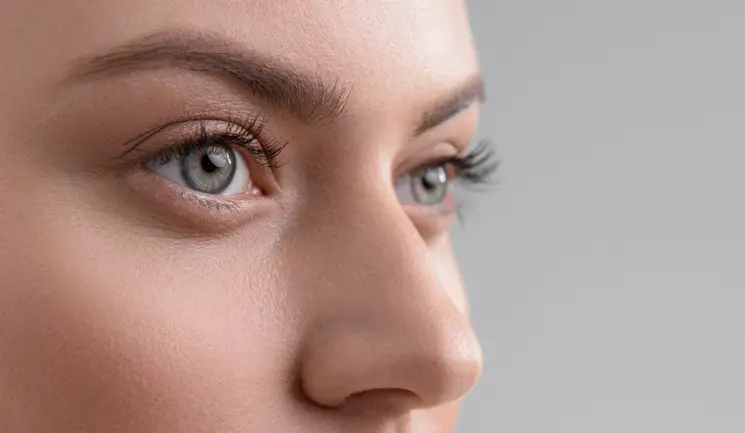
Mr Deniz Kanliada explores the main injection sites for non-surgical rhinoplasty and related anatomical landmarks.

Cosmetic and dermatology nurse practitioner Anna Baker details the anatomical features of the temple for safe and successful dermal filler placement.

Dr Lee Walker outlines the possible strategies for managing patient pain for aesthetic procedures

In the first of a two-part article, Dr Souphiyeh Samizadeh discusses the basic characteristics of hyaluronic acid fillers to aid product selection

Dr Souphiyeh Samizadeh explores the science and pharmacological differences of botulinum neurotoxin formulations
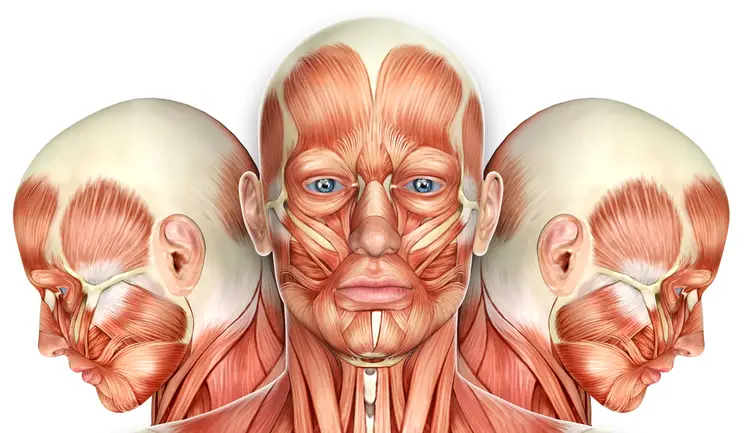
Mr Dalvi Humzah and cosmetic and dermatology nurse practitioner Anna Baker detail the anatomical significance of the superficial musculo-aponeurotic system
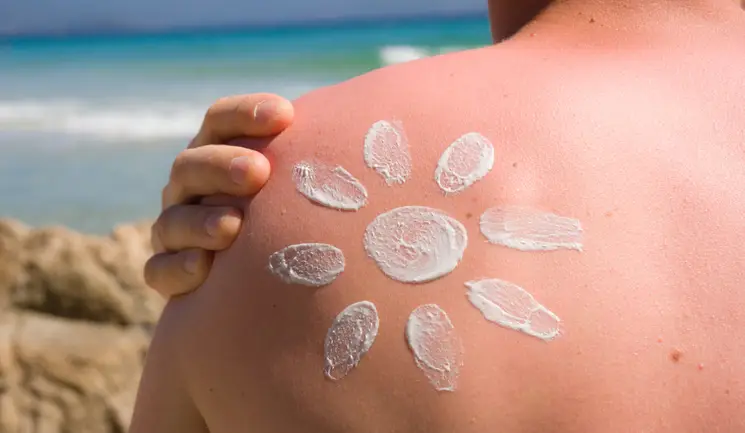
Dr Raul Cetto conducts a literature review on the studies discussing environmental influences on cutaneous ageing and their clinical consequences

Dr Priya Patel and Dr Sandeep Cliff review current treatments available for rosacea and examine their efficacy
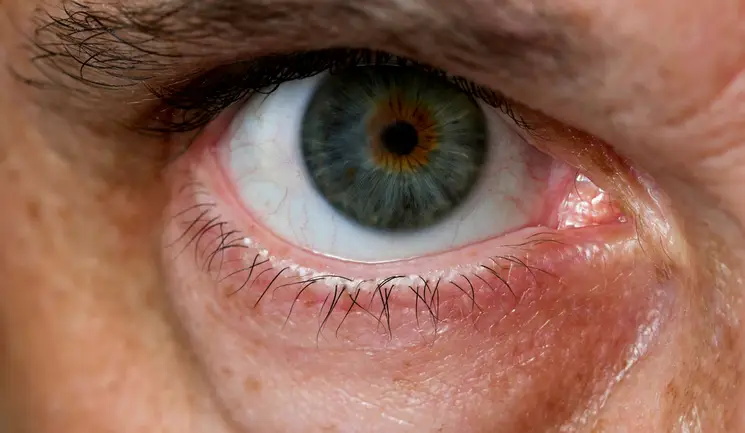
Mrs Sabrina Shah-Desai explains how to differentiate between festoons and malar mounds under the eye and discusses the most appropriate course of treatment

Dr Ahsan Ullah details the function of the epidermal barrier and explains how cosmetic treatments can affect this

Dr Souphiyeh Samizadeh details the formation and treatment of the bacteria-based infections following dermal filler injections